logologologo
  • Home
  • Company
    • About Us
    • Global Legal Network
  • Our People
    • Our Lawyers
      • Timothy Wu
      • Sheryl Tan
      • Jerry Loo
    • Key Members
  • Expertise
    • Corporate and Commercial Law
    • Wills, Probates, and Estate Administration
    • Intellectual Property
    • Divorce and Family Law
    • Property and Real Estate
    • Dispute Resolution and Litigation
  • Resources
  • Contact
    • Contact
    • Join Us
  • Home
  • Company
    • About Us
    • Global Legal Network
  • Our People
    • Our Lawyers
      • Timothy Wu
      • Sheryl Tan
      • Jerry Loo
    • Key Members
  • Expertise
    • Corporate and Commercial Law
    • Wills, Probates, and Estate Administration
    • Intellectual Property
    • Divorce and Family Law
    • Property and Real Estate
    • Dispute Resolution and Litigation
  • Resources
  • Contact
    • Contact
    • Join Us
logologologo
  • Home
  • Company
    • About Us
    • Global Legal Network
  • Our People
    • Our Lawyers
      • Timothy Wu
      • Sheryl Tan
      • Jerry Loo
    • Key Members
  • Expertise
    • Corporate and Commercial Law
    • Wills, Probates, and Estate Administration
    • Intellectual Property
    • Divorce and Family Law
    • Property and Real Estate
    • Dispute Resolution and Litigation
  • Resources
  • Contact
    • Contact
    • Join Us
  • Home
  • Company
    • About Us
    • Global Legal Network
  • Our People
    • Our Lawyers
      • Timothy Wu
      • Sheryl Tan
      • Jerry Loo
    • Key Members
  • Expertise
    • Corporate and Commercial Law
    • Wills, Probates, and Estate Administration
    • Intellectual Property
    • Divorce and Family Law
    • Property and Real Estate
    • Dispute Resolution and Litigation
  • Resources
  • Contact
    • Contact
    • Join Us
by Tevy ChuaFebruary 3, 2026 Family Law, Wills, Probate & Estate Administration0 comments

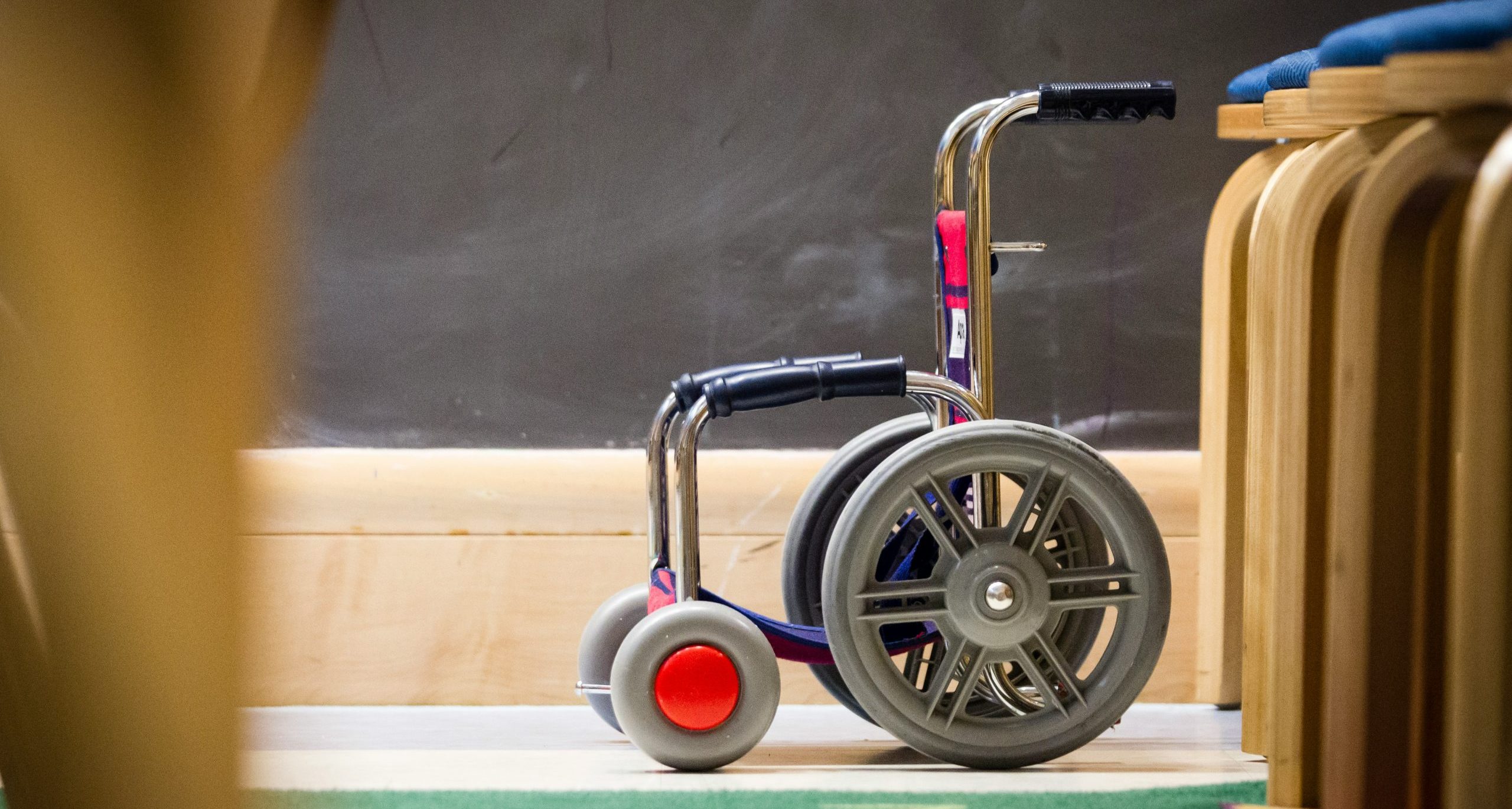
What Happens to My Special Needs Child After I’m Gone? 

Caring for your child is one of life’s greatest gifts. However, it’s not always easy – especially if you are raising a child with special needs. Although not openly spoken about, parents are often concerned:

“Who will take care of my child when I’m gone?”
“How do I protect them financially then?”
Let’s address these issues today.

Why a Will Matters Even More for Special Needs Families

Guardianship

This is arguably the most important component in a Will to protect your child. The role of a guardian goes beyond basic caregiving. Their job also involves emotional support, medical and educational decisions, and therapy routines.
A Will allows you to name your preferred primary guardian, backup guardians and instructions to guide them. Without one, a decision may ultimately be made by the court, which may not reflect what you wish for your child.

Long-Term Financial Security for Your Child

Typically, the first thing that comes to mind when thinking of caretaking after death.
Most parents wish to leave money behind for their child, not realising that a lump sum inheritance may disrupt eligibility for certain financial support schemes. Through a Will, you will be able to structure the disbursement of payouts properly using trusts.
Initiatives like the Special Needs Trust Company (SNTC) Trust and Special Needs Savings Scheme (SNSS) help you achieve this by acting as a reliable avenue to manage the disbursement of your cash assets and CPF monies when you pass. This would ensure your child receives sustainable financial support, even after you’re no longer around.

Long-Term Care for Your Child 

A child with special needs may require lifetime support in terms of care and financial planning. To manage this, your Will should include important details such as:

  • How your child should be supported
  • Long-term living arrangements 
  • Therapy and medical plans
  • Who is responsible for making decisions when needed 
  • How assets will be distributed
  • Appointed trustees to manage assets on behalf of your child (based on your instructions)

What Happens Without a Will?

  • Guardianship decisions may be made by the courts and may not align with what you want 
  • Assets will be distributed according to the intestacy laws (default distribution according to the law), not your child’s needs
  • Access to funds may be delayed, affecting immediate care
  • Assets may then be released in a lump sum 
  • No trustee will be appointed by default to oversee where the money goes

These could cause unnecessary stress during an already difficult time.

Every parent wishes to protect and provide their children with a safe and stable future. For children with special needs, thoughtful legal and financial planning becomes even more critical.  

If you are unsure where to start, we can guide you through your options before making informed decisions and creating a care plan that protects your child for life.

Reach out to us

The content of this article does not constitute legal advice and should not be relied on as such. Specific legal advice should be sought for your circumstances.

Read More
Share
0
by Tevy ChuaDecember 31, 2025 Wills, Probate & Estate Administration0 comments

Resealing Malaysian Grant of Probate in Singapore: How to Recover Singapore Assets

What Happens If Someone Holds Assets in Singapore When They Pass

It is increasingly common for individuals to live or work in both Malaysia and Singapore. When such a person passes away in Malaysia, the family typically obtains a Grant of Probate from the Malaysian courts.

However, complications arise when the deceased also held assets in Singapore – such as bank accounts, CPF savings, insurance policies, shares or property.

Families often discover that the Malaysian Grant of Probate cannot be used directly in Singapore. What should they do then?

What Should the Executor Do?

The executor must obtain either:
1️.  A Resealed Malaysian Grant of Probate in Singapore, or
2️.  A Fresh Grant of Probate issued by Singapore Courts.

This article compares both options and how families can identify unknown Singapore assets.

Why a Malaysian Grant of Probate Is Not Valid in Singapore

A Malaysian Grant of Probate allows an executor to deal with assets in Malaysia, but the Malaysian Grant of Probate is not recognised in Singapore by Singapore financial institutions.

This means:

  • Singapore banks
  • Central Depository (CDP) / Singapore Exchange (SGX)
  • Insurance companies 
  • Securities companies

…cannot release funds or assets unless the executor presents a valid grant – issued or recognised in Singapore.

To satisfy this requirement, executors typically reseal their Malaysian grant of probate or apply for a fresh grant of probate in Singapore.

For official guidance, see the Singapore Courts’ explanation of foreign probate requirements.

Option 1: Resealing a Malaysian Grant of Probate in Singapore

What Is Resealing? 

Resealing is the process by which the Singapore Courts officially recognises a foreign Grant of Probate. Once resealed, a foreign grant has the same effect as a Singapore-issued probate grant, allowing institutions in Singapore to release the deceased’s assets. 

Because Malaysia is a Commonwealth country, resealing is permitted under Singapore’s Probate and Administration Act.

When Is Resealing Suitable?

Resealing is suitable when:

  • There is a valid foreign grant of probate or foreign grant of letters of administration issued by the Malaysian Courts.
  • The foreign grant is issued by a court in a Commonwealth Country or Hong Kong (eg. Malaysia).

Documents Required for Resealing in Singapore

Typical requirements include:

  • Electronic extract of the Malaysian Grant of Probate
  • Court certified true copy of the will
  • Death certificate
  • IDs of the deceased, executor(s) and beneficiaries

Option 2: Applying for a Fresh Grant of Probate in Singapore

A fresh grant of probate is needed when resealing is not appropriate. A fresh grant of probate is required when:

  • The Malaysian grant cannot be resealed
  • The executor is unable to act on the Will for various reasons
  • The Malaysian and Singaporean applications are applied for concurrently

What a Fresh Singapore Probate Involves

A fresh Singapore probate application requires:

  • The original foreign will
  • Death certificate
  • IDs of the deceased, executor(s) and beneficiaries

What If the Family Is Unsure What Singapore Assets Exist?

This is a common issue faced by many families. 

Many who have worked in Singapore decades ago may have opened bank accounts, contributed to CPF, purchased insurance, or invested in shares – all while their families in Malaysia have little to no documentation of them. This is where asset searches come in handy.

Why Asset Searches are Crucial

A structured asset search can uncover:

  • Bank accounts
  • CDP accounts and SGX shares
  • Unit trusts or investment portfolios
  • Property ownership (HDB, private)
  • Past employment benefits or unclaimed payouts
  • Business ownership or directorships
  • Digital wallets or fintech accounts

Without conducting an asset search in Singapore, these would be left unclaimed, wasting many years of effort and savings.

Resealing a Malaysian Grant of Probate in Singapore?

Losing a loved one is hard. It gets even tougher when you have to sort the paperwork during the grieving process. Consider engaging an experienced professional to handle cross-border complexities, and minimise the stress and overwhelm that comes with it. 


Contact LP Law for assistance with any foreign probate and cross-border matters in Singapore.

Contact Us

Disclaimer:

The content of this article does not constitute legal advice and should not be relied on as such. Specific legal advice should be sought for your circumstances.

Read More
Share
0
by Tevy ChuaOctober 7, 2025 Wills, Probate & Estate Administration0 comments

Will for Pets in Singapore – How to Protect Your Pet’s Future

In Singapore, pets are legally classified as property. This means they cannot directly inherit assets or be named as beneficiaries in a will. Special arrangements have to be made to ensure your furry or feathered family members are cared for after you’re gone.

Since pets are considered property, you cannot leave them money directly in your will. You can however state who gets ownership of your pet.

What Should You Do Then? 

Here is where a pet trust comes in. 

A pet trust allows you to:

  • Name a caregiver for your pet
  • Set aside funds to be used only for your pet’s benefit
  • Place legal obligations on the caregiver to follow your instructions
  • Work with a Pet Trust Protector to ensure compliance with your original intentions

This way, you can have peace of mind knowing your pet will be cared for, even if you are no longer around.

Are Pet Trusts Legally Recognised in Singapore?

Unlike some countries, Singapore does not have dedicated legislation for pet trusts. They are considered ‘non-charitable purpose trusts’, which serve to benefit a particular individual and can be more complex and raise legal challenges.

If you are hoping to set one up, it is essential to seek professional advice on the best way to go about it.

Who Can Create a Pet Trust?

The Settlor (person creating the trust) can be:

  • An individual (such as the pet owner), aged 21 or older, of sound mind, and owns the property to be placed in the trust
  • A corporate entity

A pet trust can operate:

  • After your death, via a testamentary trust in your will
  • During your lifetime, via a living trust (inter vivos), which can also take effect if you become incapacitated

Types of Pets Trusts

1. Testamentary Trusts

Created through a will, these take effect only after the trustor’s death and must comply with the Wills Act. You name the pet caregiver in your will and state that they are to receive your pet as property, along with any funds to care for it.

2. Living Trusts

Created during your lifetime they take effect immediately (or at a specified event, such as incapacity).

Unfulfilled Pet Trust

If the trustee caregiver breaches their duty, a typical beneficiary can file a claim for breach of trust. However, a pet would not be able to make a claim on their own.

To safeguard your wishes, you may appoint a Pet Trust Protector (a trusted friend or professional lawyer) who can oversee the trust’s execution, remove or appoint trustees, and ensure funds are used properly.

As the law on pet trusts in Singapore is still unclear, it is best to consult a lawyer with expertise in estate planning and trust law.

Alternative Solutions

Alternatively, you can:

  • Specify a guardian for your pet in your will, leaving funds for their care.
  • Draft your will so cash is provided only upon the beneficiary agreeing to care for your pet.
  • Leave a Letter of Wishes detailing your pet’s care requirements.

Letter of Wishes

Whether your trust is living or testamentary, a Letter of Wishes is a non-binding document guiding the trustee or guardian on how to carry out your instructions.

It may include:

  • Identification of your pet (photos, microchip, DNA samples).
  • Daily routine, diet, and medical needs.
  • Amount of funds and how they should be spent.
  • Instructions for leftover funds.
  • Final arrangements (burial or cremation).

Assets in a Pet Trust

  • Cash 
  • Investments
  • Real Estate 
  • Personal Property

Key Steps to Ensure Your Pet is Cared For

  1. Choose a reliable caretaker.
  2. Appoint a responsible trustee.
  3. Specify the amount and usage of funds.
  4. Include the trust in your will or create a stand-alone trust.
  5. Name a backup caretaker and trustee.
  6. Review and update the trust regularly.

In Singapore, while pet trusts are not specifically legislated, there are legal structures available to protect your pet’s future. A well-drafted trust, combined with clear instructions and the right people, can ensure your beloved companion is loved and cared for. Let us ease the process for you, and for a peace of mind knowing that your pets are well-taken care of.

Ask for Assistance

The content of this article does not constitute legal advice and should not be relied on as such. Specific legal advice should be sought for your circumstances.

Read More
Share
0
by Tevy ChuaJuly 11, 2025 Wills, Probate & Estate Administration0 comments

Why You Need a Will – Adulting 101

Becoming a legal adult comes with responsibilities, one of which is thinking ahead. While it may seem premature to consider estate planning in your 20s or 30s, the truth is that death can happen unexpectedly. 

A will is not just for the elderly or the wealthy; it is an essential document that gives you control over your affairs, helps protect your loved ones, and ensures that your wishes are respected.

What Is a Will?

A will is a legally binding document that outlines how your assets should be distributed after your death. It also allows you to appoint someone you trust to manage your estate and care for any dependents you leave behind.

Ensuring Assets Are Distributed According to Your Wishes

Without a will, your assets will be distributed according to Singapore’s Intestate Succession Act, which follows a fixed hierarchy of beneficiaries. This legal default may not reflect your true intentions, especially if you have:

  • Specific dependents (e.g., elderly parents, unmarried partners)
  • Charitable causes you wish to support
  • Unequal distributions in mind based on personal relationships or needs

Therefore, a will ensures your estate is passed on according to your wishes.

For a clear diagram on how your assets would be distributed via the Intestate Succession Act, click here.

Appointing a Trusted Executor

When drafting a will, an executor has to be appointed; someone you trust to carry out your instructions. The executor is responsible for:

  • Applying for a Grant of Probate from the Family Justice Courts
  • Paying off your outstanding debts and taxes with remaining assets
  • Distributing your assets according to your will

Without a will, the court will grant Letters of Administration to an administrator. This person may not be someone you would have chosen, potentially leading to delays, inefficiencies, or disputes.

See here for a breakdown of this process.

Protecting Minor Children and Dependents

A will is crucial especially if you have children who are minors. It allows you to:

  • Appoint a legal guardian for your children in the event of your passing
  • Ensure the guardian aligns with your values and parenting style
  • Set up Testamentary Trusts* to manage assets on behalf of your children until they reach a certain age

*Testamentary trust is one created in a will to provide for dependents, and only comes into effect after death

Without these provisions, the Family Court will decide who raises your children, and there may be uncertainty over how their financial needs are met.

Avoiding Family Disputes and Legal Complications

In the absence of a will – misunderstandings, disagreements, and even lawsuits may arise. A properly drafted will:

  • Minimise family conflicts over inheritance
  • Reduce legal costs and administrative delays
  • Clarify your intentions, especially in blended or complex family situations

Under the Wills Act, a valid will also reduce the likelihood of contested claims under the Inheritance (Family Provision) Act, which allows dependents to challenge the distribution of your estate if they feel inadequately provided for.

Clarifying the Treatment of CPF Monies, Insurance Policies, and Joint Accounts

Not all assets are covered under your will. For instance:

  • CPF monies require a separate nomination through the CPF Board
  • Insurance policies may name beneficiaries who override will provisions
  • Joint accounts typically transfer automatically to the surviving joint owner

A complete estate plan includes making the necessary nominations, trust arrangements, and will provisions to ensure your entire estate is distributed according to your intentions.

Planning for Business Owners

If you own a business, your passing could lead to serious disruptions. With a will, you can:

  • Appoint a successor or manage your company shares smoothly
  • Create a Buy-Sell Agreement with co-owners for continuity
  • Shield your business from legal disputes and forced liquidation

Estate planning for business owners may also involve:

  • Lasting Power of Attorney (LPA)
  • Trusts or corporate nominee structures

Speak to our wills and probate lawyers to ensure a comprehensive succession plan.

Legal Requirements for a Valid Will in Singapore

Under the Wills Act (Cap. 352), your will should meet the following conditions:

  • The testator (you) to be at least 21 years and of sound mind
  • The will to be in writing (typed or handwritten)
  • The testator to sign at the foot of the will in the presence of two independent witnesses
  • The two witnesses to sign in your presence
  • The witnesses cannot be beneficiaries or the spouses of beneficiaries

Failure to meet these requirements may result in your will being invalid, and your estate would be distributed under intestacy laws instead.

What’s next?

Drafting a will may not feel urgent, but it is one of the most responsible and loving things you could do. Whether you are a young working adult, a parent, or a business owner, a will offers peace of mind that your affairs will be handled as you intended.

Will-writing can be complex and difficult to navigate, contact our wills and probate lawyers to ensure your will is legally sound and clear.

Contact Us

The content of this article does not constitute legal advice and should not be relied on as such. Specific legal advice should be sought for your circumstances.

Read More
Share
0
by Tan Pui YenNovember 14, 2024 Family Law, Wills, Probate & Estate Administration0 comments

Estate Matters and Distribution of Assets — Part 4

Welcome back to the last installment of our four-part series! 

In this section, we will share more about applying for the Resealing of a Foreign Grant, helping you understand what it is and how it works. 


In Singapore, Foreign Grants issued by Commonwealth Countries and Hong Kong may be resealed by the Family Division of the High Court.

Essentially, this means that the Foreign Grant is recognised and given legal recognition by the Singapore Courts.

Upon resealing, the powers provided for in the Foreign Grant may be carried out in Singapore, with no alteration to its terms, as if it were a grant issued in Singapore.

Documents Required for the Application

When applying for a resealing of foreign grant, it is important to note that only Foreign Grants of Probate / Letters of Administration issued by Commonwealth Countries and/or Hong Kong are eligible for the resealing process.


For other countries, a fresh Grant of Probate or Letters of Administration application is required.

The Executors / administrators must file several documents through the Singapore Court’s eLitigation system:

  • Originating Summons
  • Statement
  • Court Certified True Copy of Will or Original Will
  • Original Death Certificate or Electronically verifiable Death
  • Certificate
  • Schedule of Assets
  • Supporting Affidavit
  • Administration Oath
  • Administration Bond (if directed)
  • Summons for Dispensation of Sureties (if sureties are required but not found)
  • Consent of Dispensation of Sureties (if sureties are required but not found)
  • Affidavit of Foreign Law (if directed)

Timeframe for Obtaining the Resealed Foreign Grant

The process typically takes at least 3 months from the time of application. However, this timeline can vary depending on the complexity of the case and the completeness of submitted documents.

On approval, the Singapore Courts will issue a Memorandum of Resealing and Notice of Resealing of Grant.

Why the Resealing Process is Important

The Resealing process ensures that the executor / administrator can legally manage the estate as approved in accordance with the Foreign Grant. Without it, financial institutions and other asset holders will not release the deceased’s assets. Additionally, the Resealed Grant of Foreign Probate serves to protect the executor and/or administrator from future legal challenges concerning the administration of the estate.

Distribution of Assets

Distribution of assets depends on whether the original foreign grant was a grant of probate or a letters of administration process:

  • If the process was a grant of probate process, assets are distributed in accordance with the Will
  • If the process was a letters of administration process, assets are distributed in accordance with the laws of the country of domicile. An affidavit of foreign law may be required to determine the distribution requirements.

Common Challenges in the Resealing of Foreign Grant Process

Executors / Administrators may face challenges, such as when there are:

  • Missing documents which are foreign documents.
  • Translation of foreign language documents to English.
  • Production of an original or certified document requested by the Probate Registry
  • Disputes among beneficiaries about the distribution of assets.
  • The need for an administration bond or sureties when required by the court, which can delay the process if not promptly addressed.
  • Providing an Affidavit of Foreign Law.

Obtaining a Resealed Foreign Grant of Probate is a crucial step in managing a deceased person’s assets. Though it may seem daunting, having the right information and documentation can streamline the process.

Our experienced legal professionals regularly handle resealing applications and are here to guide you through every step and concern. Reach out to us if you are involved in the process or need more information on how to navigate it.

Contact Us

Disclaimer: The content of this article does not constitute legal advice and should not be relied on as such. Specific legal advice should be sought for your circumstances.

Read More
Share
0
by Tan Pui YenNovember 6, 2024 Family Law, Wills, Probate & Estate Administration0 comments

Estate Matters and Distribution of Assets — Part 3

Welcome back to the third installment of our four-part series!

In this section, we will share more about applying for Letters of Administration, helping you understand what it is and how it works.


In Singapore, when someone passes on and does not have a will, the next-of-kin may apply for a Letters of Administration from the Singapore courts in accordance with Section 18 of the Probate and Administration Act. This legal document gives the administrator the authority to manage the deceased’s estate, pay off any debts, and distribute the assets as outlined under the Intestate Succession Act 1967.

Which Court Handles the Application?

The application process depends on the value of the deceased’s estate:

  • Estates valued up to SGD 5 million are heard by the Family Courts.
  • Estates valued over SGD 5 million are heard by the Family Division of the High Court.

Documents Required for the Application

Prior to applying for a Letters of Administration, renunciations must be obtained from all beneficiaries with prior rights. The Intestate Succession Act 1967 specifies seven classes of people who are eligible to apply for this grant, in declining order of priority:

  • Spouse;
  • Children;
  • Parents;
  • Siblings;
  • Nephews and nieces;
  • Grandparents; and
  • Aunts and uncles

For example, if a Parent is to apply for a Letters of Administration, renunciations must be obtained from the surviving spouse and children.

Once the renunciation(s) are obtained the applicant / administrator must file several documents through the Singapore Court’s eLitigation system:

  • Originating Summons
  • Statement
  • Renunciations of Beneficiaries with Prior Rights (if necessary)
  • Death Certificate
  • Schedule of Assets
  • Supporting Affidavit
  • Administration Oath
  • Administration Bond (if directed)
  • Summons for Dispensation of Sureties (if sureties are required but not found)
  • Consent of Dispensation of Sureties (if sureties are required but not found)

Timeframe for Obtaining the Letters of Administration

The process typically takes about 3 months from the time of application. However, this timeline can vary depending on the complexity of the case and the completeness of submitted documents.

Why the Letters of Administration is Important

The Letters of Administration ensures that the administrator can legally manage the estate according to the will. Without it, financial institutions and other asset holders will not release the deceased’s assets, and the estate cannot be distributed as directed under the Intestate Succession Act 1967. Additionally, a Letters of Administration protects the administrator from future legal challenges concerning the administration of the estate.

Distribution of Assets

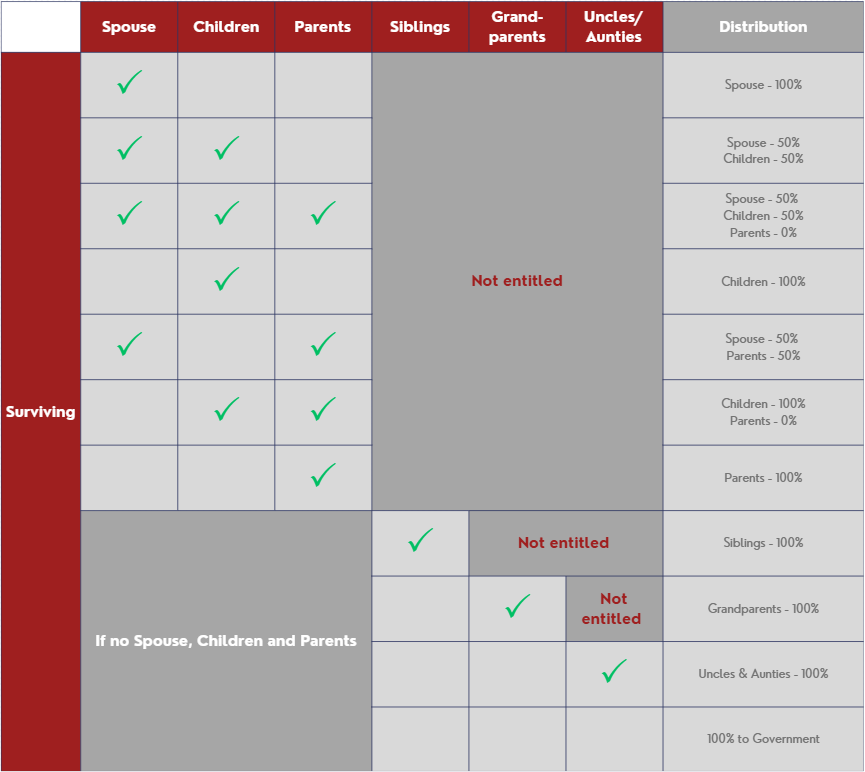
Once the Letters of Administration is issued, assets are distributed in accordance with the Section 7 of the Intestate Succession Act 1967

*Above scenarios are non-exhaustive, please contact LP Law for more information.

Common Challenges in the Letters of Administration Process

Administrators may face challenges, such as when there are:

  • Missing documents or where there is difficulty in obtaining renunciations.
  • Disputes among beneficiaries about the distribution of assets.
  • The need for an administration bond or sureties when required by the court, which can delay the process if not promptly addressed.

Obtaining a Letters of Administration is a crucial step in managing a deceased person’s assets. Though it may seem daunting, having the right information and documentation can streamline the process.

Our experienced legal professionals are here to guide you through every step and concern. Reach out to us if you are involved in a probate process or need more information on how to navigate it.

Contact Us

Disclaimer: The content of this article does not constitute legal advice and should not be relied on as such. Specific legal advice should be sought for your circumstances.

Read More
Share
0
by Tan Pui YenOctober 16, 2024 Family Law, Wills, Probate & Estate Administration0 comments

Estate Matters and Distribution of Assets — Part 2

Welcome back to the second installment of our four-part series!

In this section, we will share more about Grant of Probate, helping you understand what it is and how it works.

In Singapore, when someone passes on and leaves behind a will and significant assets, the appointed executor must apply for a Grant of Probate from the Singapore courts. This legal document gives the executor the authority to manage the deceased’s estate, pay off any debts, and distribute the assets as outlined in the Will.

Which Court Handles the Application?

The application process depends on the value of the deceased’s estate:

  • Estates valued up to SGD 5 million are heard by the Family Courts.
  • Estates valued over SGD 5 million are heard by the Family Division of the High Court.

Documents Required for the Application

To apply for a Grant of Probate, the executor must file several documents through the Singapore Court’s eLitigation system:

  • Originating Summons
  • Statement
  • Original Will (for Probate Registry’s inspection)
  • Death Certificate
  • Schedule of Assets
  • Supporting Affidavit
  • Administration Oath
  • Administration Bond (where directed by Court)
  • Summons for Dispensation of Sureties (if sureties are required but not found)
  • Consent of Dispensation of Sureties (if sureties are required but not found)

Timeframe for Obtaining the Grant of Probate

The process typically takes about 3 months from the time of application or more. This timeline can vary depending on the complexity of the case and the completeness of submitted documents.

Why the Grant of Probate is Important

The Grant of Probate ensures that the executor can legally manage the estate according to the will. Without it, financial institutions and other asset holders will not release the deceased’s assets to the executor, and the estate cannot be distributed as intended. Additionally, a Grant of Probate protects the executor from future legal challenges concerning the administration of the estate.

Common Challenges in the Grant of Probate Process

Executors may face challenges, such as when there are:

  • Missing documents or an invalid will.
  • Disputes among beneficiaries about the validity of the will or the distribution of assets.
  • The need for an administration bond or sureties when required by the court, which can delay the process if not promptly addressed.

Obtaining a Grant of Probate is a crucial step in managing a deceased person’s assets. While the process may seem daunting, having the right information and documentation can streamline the process.

Our experienced legal professionals are here to guide you through every step and concern. Reach out to us if you require more information with the probate process and need our professional legal assistance on how to navigate the application.

Contact Us

Disclaimer: The content of this article does not constitute legal advice and should not be relied on as such. Specific legal advice should be sought for your circumstances.

Read More
Share
0
by Timothy WuOctober 2, 2024 Family Law, Wills, Probate & Estate Administration0 comments

Estate Matters and Distribution of Assets — Part 1

This is the first part of our four-part series, where we will introduce you to Grants of Representation, including Grant of Probate, Letters of Administration, and the Resealing of a Foreign Grant.

GRANTS OF REPRESENTATION

A Will informs your beneficiaries your wishes for the distribution of your assets.

However, in most cases, your executors or administrators will still need a Grant of Representation to distribute the assets.

In Singapore, the different types of Grants of Representation are:

  • Grant of Probate – where there is a Will
  • Letters of Administration – where there is no Will
  • Resealing of a Foreign Grant – where a Grant has been issued by a Commonwealth country (example, Malaysia)

Estate Bank Account

Upon obtaining a Grant of Representation, the executors or administrators will be required to open an estate banking account for the funds to be transferred into.

This also helps to ensure that the funds are properly accounted for and distributed.

These processes will be further discussed in our subsequent posts.

OTHER ASSET DISTRIBUTIONS

Approaching the Public Trustee

Other than the above Grants of Representation, the Public Trustee also has the discretion to administer the estates of deceased persons, where the value of the estate does not exceed $50,000.

Typically, beneficiaries may want to approach the Public Trustee where the assets are not major, and the distribution is not complicated.

Central Provident Fund (CPF)

Not all assets may be dealt with via a Will and/or Grant of Representation.

The Public Trustee is the exclusive administrator of the CPF belonging to deceased persons.

Distribution of CPF will go according to either, (1) nomination, if there is a nomination, or (2) the Intestate Succession Act (Cap. 146).

Even if there are provisions in a Will that deals with CPF, such provisions will not take effect.

The Public Trustee also holds on trust CPF for minor beneficiaries who are below 18 years of age for nominated beneficiaries, and 21 years of age for unnominated beneficiaries.

Insurance

Insurance proceeds are generally dealt with via a revocable or non-revocable nomination with the insurance company. This is typically the fastest and easiest method to obtain insurance payouts.

Distribution clauses in a valid Will pertaining to insurance proceeds will take effect in the event a nomination was not made.

Stay tuned for the next few parts of this series, where we dive deeper into each topic on the Grant of Probate, Letters of Administration and Resealing of a foreign grant. Don’t miss out on the valuable insights and practical tips coming your way.

Be sure to check back soon!

Questions? Reach out!

Disclaimer: The content of this article does not constitute legal advice and should not be relied on as such. Specific legal advice should be sought for your circumstances.

Read More
Share
0
by Timothy WuJune 25, 2024 Wills, Probate & Estate Administration0 comments

Understanding Wills in Singapore:  What is it and Common Types

What is a Will?

A will is a legal document that explains how you want your assets to be distributed after you pass away. In Singapore, it is essential to create a will to ensure that your estate, comprising properties, finances, and belongings, is managed according to your preferences. This gives you peace of mind, certainty, and control over your affairs. Without a will, distribution of your assets will follow the guidelines of the of the Intestate Succession Act, potentially diverging from your intended wishes.

Types of Wills in Singapore

Before writing a will in Singapore, it’s important to understand the different types available, as each one serves different needs and situations. These can be customised to suit various circumstances. In this context, we explore four common types of wills in Singapore: simple wills, joint wills, mutual wills, and mirror wills.

Simple Will

The widely chosen option for writing a will in Singapore is the simple will. This legal document clearly states your preferences regarding the distribution of your assets. With a simple will, you can make changes to the distribution of your assets at any time while you are still alive.

Joint Wills

A joint will is a single document created usually by two parties, typically spouses, which details how they wish to divide their combined assets.

Upon the death of one party, the surviving party inherits and manages the estate.

Upon the surviving party’s death, the combined assets are distributed according to the provisions in the joint will. Importantly, the surviving party cannot unilaterally alter the terms of the joint will; any changes require the consent of both parties involved.

Mutual Wills

Similar to joint wills, mutual wills are agreements between two or more parties with identical content, detailing the assets and distribution instructions. Once a mutual will is created, it cannot be altered without the consent of all parties involved.

This type of will is commonly used by spouses who wish to guarantee that their estates are distributed according to their agreed-upon plan.

Mirror Wills

Mirror wills are like mutual wills in that they consist of two nearly identical documents. In mirror wills, each partner typically leaves their assets to the other in the event of their death. For instance, if one spouse passes away, the surviving spouse inherits everything, and vice versa. Unlike joint or mutual wills, mirror wills allow each party to independently modify their own will without needing the consent of the other. This flexibility makes mirror wills popular among married couples or partners who want to ensure their spouse is provided for, while still retaining the freedom to revise their will if circumstances change.

Conclusion

Writing a will in Singapore is an important step in ensuring your assets are distributed according to your wishes. Whether you choose a simple will, joint will, mutual will, or mirror will, it’s wise to consult with a lawyer to make sure everything is done correctly.

Questions? Reach out!

Disclaimer: The content of this article does not constitute legal advice and should not be relied on as such. Specific legal advice should be sought for your circumstances.

Read More
Share
6

Quick Links

  • Home
  • About Us
  • Global Legal Network
  • Our People
  • Expertise
  • Resources
  • Career
  • Contact

Our Services

  • Corporate and Commercial Law
  • Wills, Probates, and Estate Administration
  • Intellectual Property
  • Divorce and Family Law
  • Property and Real Estate
  • Dispute Resolution and Litigation

Head Office

80 Marine Parade Road
#19-06 Parkway Parade
Singapore 449269

Global Network

  • Malaysia Associate
  • Australia Associate

Legal Resources

  • Resources

Privacy Policy  Terms of Use© 2025 LP LAW Corporation. All rights reserved.